commercial1

This website uses cookies and similar technologies to enhance your experience, analyze usage, and provide personalized content. To learn more, please read our Privacy Policy.
Implementing commercial solar energy solutions can lead to significant cost savings for businesses. By harnessing the power of the sun, companies can reduce their electricity bills and protect themselves from fluctuating energy prices.
In addition to cost savings, solar energy contributes to sustainability efforts, allowing businesses to reduce their carbon footprint. For example, companies that switch to solar energy can attract environmentally conscious customers and enhance their brand reputation as socially responsible entities.
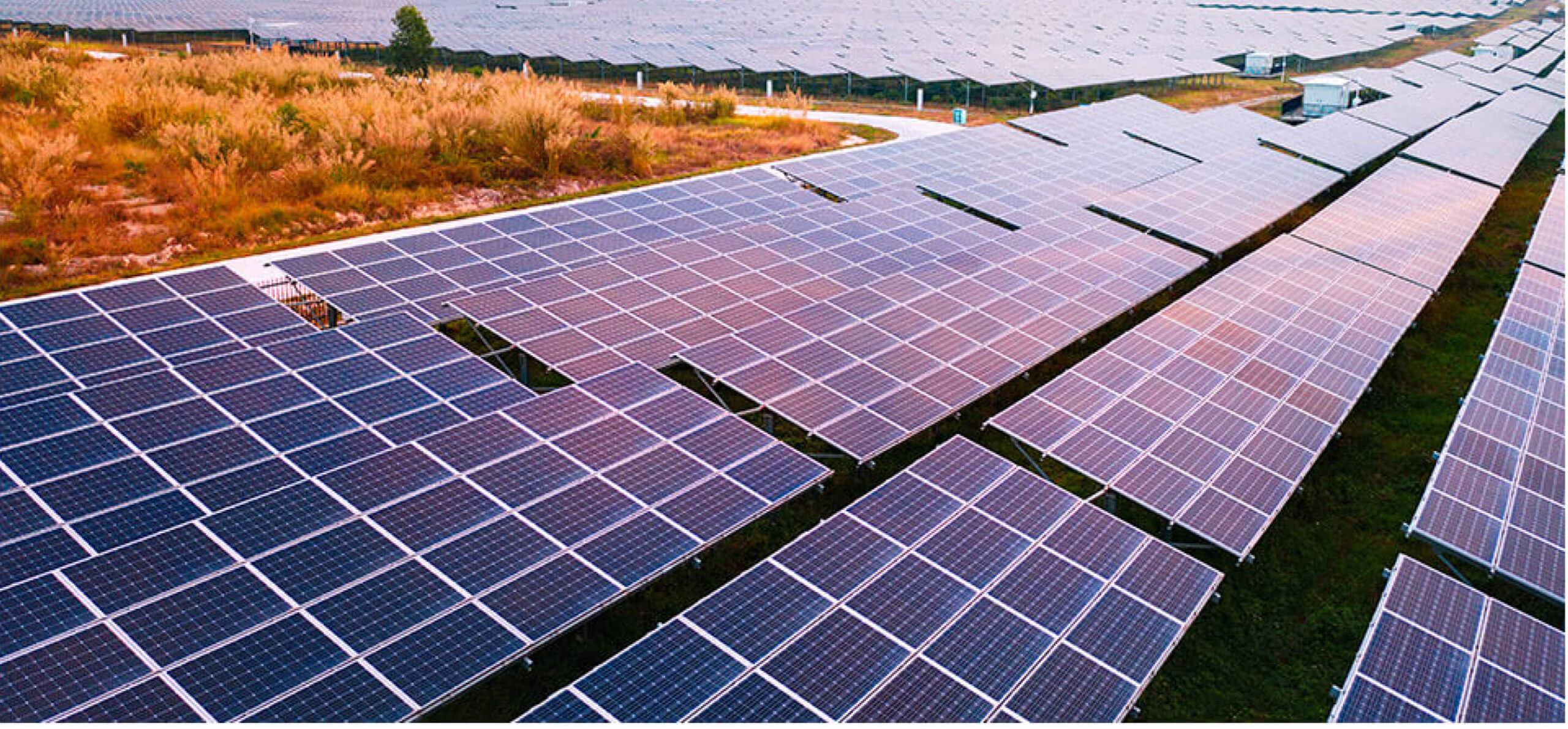
Solar energy systems convert sunlight into electricity through photovoltaic (PV) panels, which can be installed on rooftops or ground-mounted in open spaces. This process allows businesses to generate their own energy, leading to increased energy independence.
Moreover, understanding the mechanics of solar energy can help businesses optimize their energy usage. By integrating battery storage solutions, companies can store excess energy generated during the day for use during peak hours, maximizing their savings and efficiency.
Investing in solar energy can be daunting due to initial costs, but various financing options are available to help businesses make the switch. Options such as solar loans, leases, and power purchase agreements (PPAs) allow companies to adopt solar energy without a significant upfront investment.
Additionally, many governments and organizations offer incentives, grants, or tax credits to encourage solar adoption. Businesses should explore these financial opportunities to reduce their overall investment and enhance the feasibility of solar projects.
Despite its growing popularity, many businesses still hold misconceptions about solar energy. One common myth is that solar panels are only effective in sunny climates; however, solar technology can generate power even on cloudy days, making it viable in a variety of weather conditions.
Another misconception is that solar installations require extensive maintenance. In reality, solar systems are designed to be low-maintenance, with most requiring minimal cleaning and occasional inspections to ensure optimal performance.