
Blog & News
Transform Your Energy Bills with Solar St Thomas Solutions
Transform Your Energy Bills with Solar St Thomas Solutions
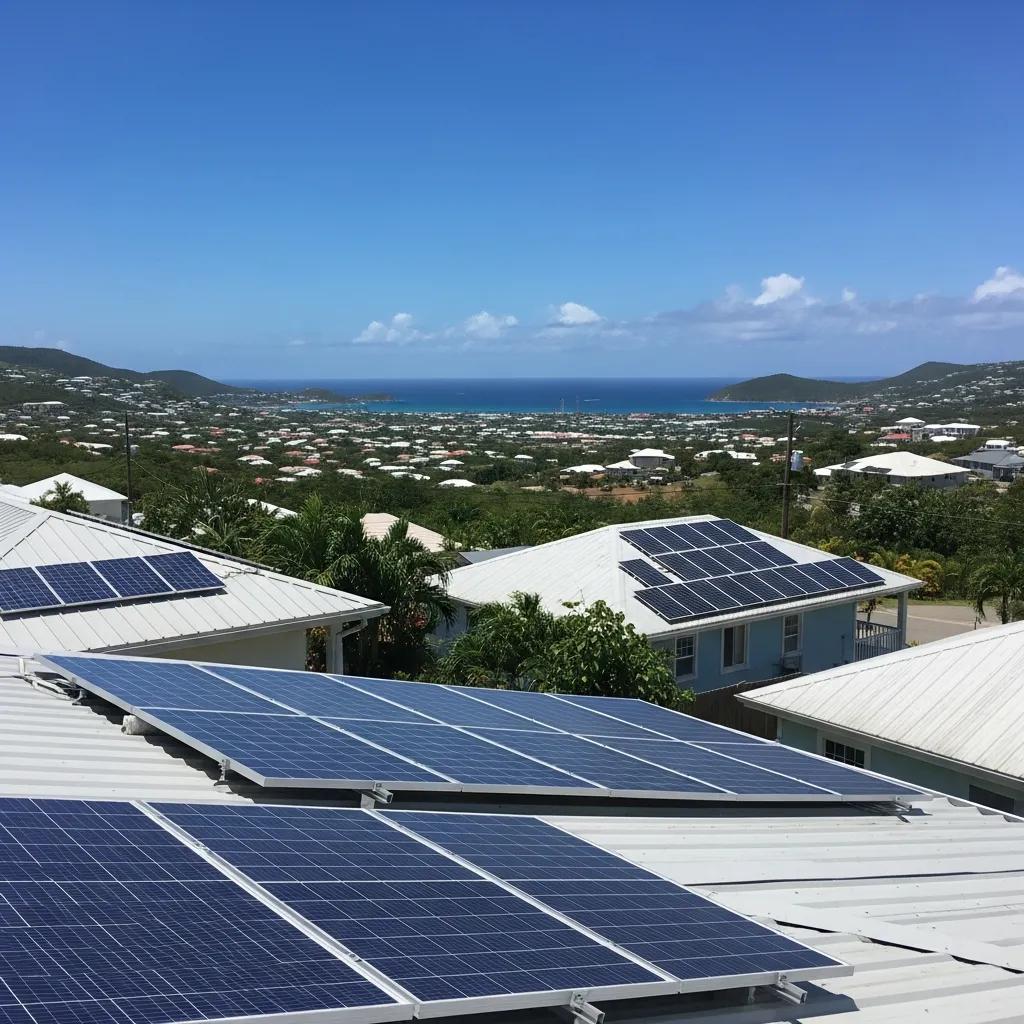
Solar Energy St. Thomas: Residential and Commercial Solutions
Solar energy is rapidly becoming a vital resource for residents and businesses in St. Thomas and the U.S. Virgin Islands. This renewable energy source harnesses sunlight to generate electricity, providing a sustainable alternative to traditional fossil fuels. As energy costs continue to rise, many are turning to solar solutions to reduce their electricity bills and enhance energy independence. This article will explore the key benefits of solar energy, the installation process, and the various systems available for both residential and commercial use. Additionally, we will discuss how residents and businesses can access solar incentives and financing options to make the transition to solar energy more affordable.
The long-standing commitment to developing cost-effective solar solutions for diverse applications further supports its widespread adoption.
Cost-Effective Solar PV for Residential & Commercial Use
ABSTRACT: DOE’s Solar Photovoltaic R&D Subprogram promotes the development of cost-effective systems for directly converting solar energy into electricity for residential, commercial, and industrial applications.
Linkages from DOE’s Solar Photovoltaic R&D to Commercial Renewable Power from Solar Energy, 1958
What Are the Key Benefits of Solar Energy in St. Thomas and the U.S. Virgin Islands?
Solar energy offers numerous advantages for both residents and businesses in St. Thomas. The primary benefits include:
- Cost Savings: Residents can save a significant portion of their electricity bills by utilizing solar energy systems, potentially reducing their monthly expenses by up to 100% in optimal conditions with net metering.
- Energy Security: Solar energy provides a reliable power source, especially during storms when traditional utility services may be disrupted.
- Environmental Sustainability: By reducing reliance on fossil fuels, solar energy helps decrease greenhouse gas emissions, contributing to a healthier environment.
These benefits highlight why solar energy is an attractive option for those looking to enhance their energy independence and reduce their carbon footprint. ProSolar Caribbean specializes in providing tailored solar solutions that meet the unique energy needs of the local community.
How Does Solar Energy Promote Energy Independence Locally?
Solar energy promotes energy independence by allowing residents and businesses to generate their own electricity. This reduces reliance on traditional utility sources, which can be subject to price fluctuations and outages. By investing in solar systems, users can enhance their self-sufficiency and ensure a more stable energy supply. This independence is particularly crucial in regions like St. Thomas, where natural disasters can disrupt conventional power lines.
What Environmental and Cost Savings Can Residents and Businesses Expect?
The environmental and financial benefits of solar energy are significant. Residents and businesses can expect:
- Lower Energy Costs: Solar energy allows users to significantly reduce their reliance on utility electricity, leading to lower monthly bills.
- Increased Property Value: Homes with solar installations can see an increase in value, though estimates range widely, with some studies indicating increases of around 4% to 15%, making them more attractive to potential buyers.
- Financial Incentives: Many Caribbean countries offer financial incentives, such as tax credits and rebates, to encourage the adoption of solar energy.
These factors make solar energy not only an environmentally friendly choice but also a financially sound investment for the future.
Further research underscores the financial viability of residential solar systems, particularly in island nations.
Residential Solar PV Cost & Savings for Island Nations
This study develops and applies a localized life cycle cost analysis (LCCA) model for residential solar (PV) systems, designed to quantify the total cost of ownership, including installation, maintenance, and replacement while accounting for energy savings, inflation, and policy incentives.
Life cycle cost analysis of photovoltaic system installation for residential homes in Trinidad and Tobago, M Roberts, 2026
Which Residential Solar Panel Systems Are Best Suited for St. Thomas Homes?
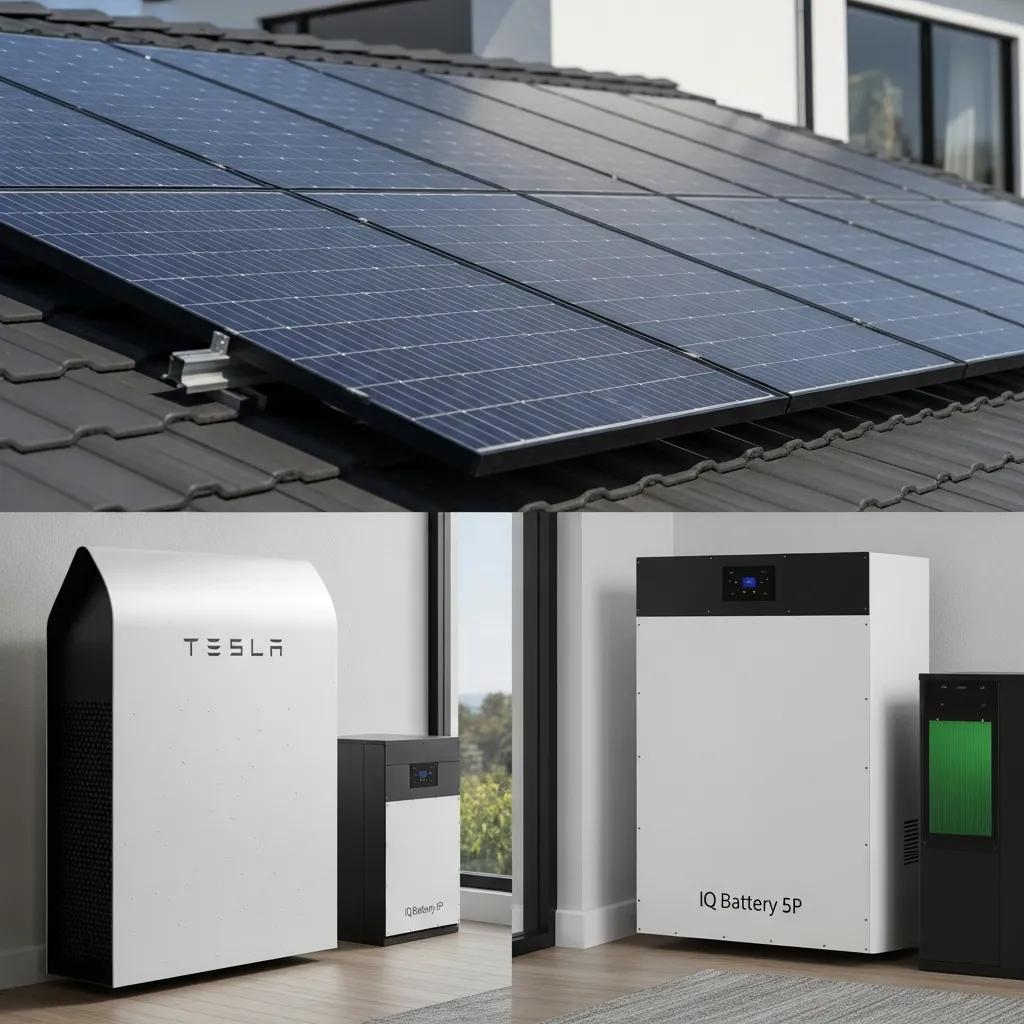
When considering solar panel systems for residential use in St. Thomas, two options stand out:
- Tesla Powerwall: A leading home battery storage solution that allows homeowners to store excess solar energy for use during peak hours or outages.
- IQ Battery 5P: Another reliable battery storage option that enhances energy reliability and provides backup power when needed.
These systems are designed to withstand the local climate and provide efficient energy solutions tailored to the needs of St. Thomas residents.
What Types of Photovoltaic Panels Are Available for Residential Use?
Residential solar energy systems typically utilize photovoltaic (PV) panels, which convert sunlight into electricity. The most common types of PV panels include monocrystalline, polycrystalline, and thin-film panels. Each type has its advantages and is suited for different applications based on efficiency, cost, and space requirements. Homeowners should consult with solar energy experts to determine the best option for their specific needs.
How Does the Installation Process Work for Homeowners in St. Thomas?
The installation process for solar systems in St. Thomas involves several key steps:
- Site Assessment: A professional evaluation of the property to determine the best solar solution based on energy needs and roof orientation.
- Permitting: Securing the necessary permits from local authorities to ensure compliance with regulations.
- Installation: The actual setup of solar panels and associated equipment, typically completed within a few days, although larger installations may take longer.
ProSolar Caribbean offers comprehensive consultation and installation services to guide homeowners through each step of the process, ensuring a smooth transition to solar energy.
What Commercial Solar Energy Solutions Are Available for Businesses in St. Thomas?
Businesses in St. Thomas can benefit from various solar energy solutions, including:
- Solar Panel Installations: Custom-designed systems that meet the specific energy demands of commercial operations.
- Battery Backup Systems: Solutions that provide energy storage to ensure continuous power supply during outages.
- Energy Efficiency Consultations: Services that help businesses optimize their energy use and reduce costs.
These solutions are tailored to enhance operational efficiency and sustainability for local businesses.
How Can Commercial Systems Be Customized for Different Business Needs?
Commercial solar systems can be customized based on the unique energy requirements of each business. Factors such as energy consumption patterns, available roof space, and budget constraints play a crucial role in determining the optimal system design. By working with solar energy experts, businesses can develop a tailored solution that maximizes energy savings and efficiency.
What Are the Steps Involved in Commercial Solar Installation?
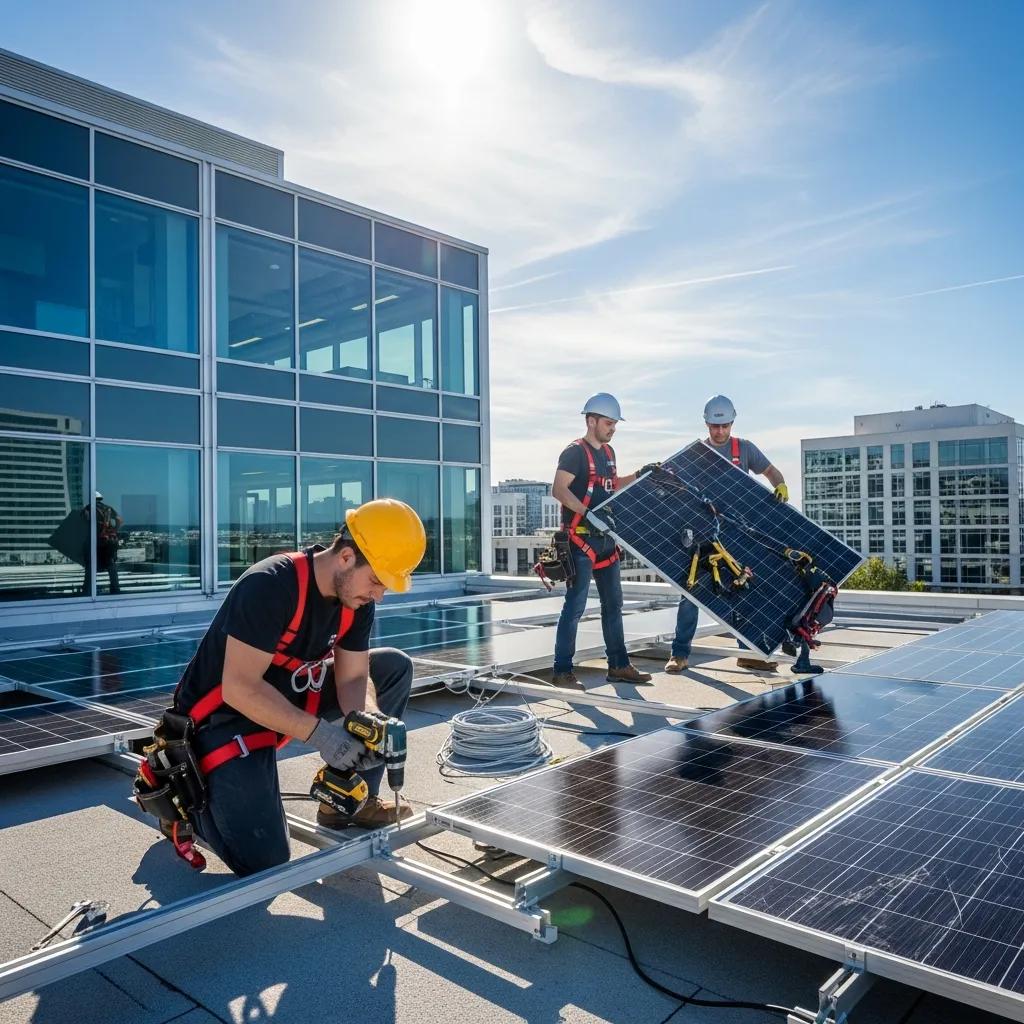
The steps for commercial solar installation typically include:
- Initial Consultation: Understanding the business’s energy needs and goals.
- System Design: Creating a customized solar solution that fits the specific requirements.
- Installation: Implementing the solar system, which may take several weeks depending on the project’s scale.
These steps ensure that businesses receive a solar solution that is both effective and efficient.
How Can Residents and Businesses Access Solar Incentives and Financing in St. Thomas?
Residents and businesses can access various solar incentives and financing options to make solar energy more affordable. Key options include:
- Financial Incentives: Tax credits and rebates offered by local governments to encourage solar adoption.
- Solar Loans and Financing Options: Programs that allow homeowners and businesses to finance their solar installations with manageable payment plans.
These financial tools help reduce the upfront costs associated with solar energy systems, making it easier for more people to transition to renewable energy.
What Renewable Energy Incentives Are Currently Offered in the U.S. Virgin Islands?
The U.S. Virgin Islands offers several renewable energy incentives aimed at promoting the use of solar energy. These incentives may include tax credits, grants, and rebates for both residential and commercial solar installations. By taking advantage of these programs, residents and businesses can significantly lower their initial investment in solar technology.
What Financing Options Help Make Solar Energy Affordable?
To make solar energy more accessible, various financing options are available, including:
- Solar Loans: Loans specifically designed for financing solar installations, often with favorable terms.
- Leasing Options: Agreements that allow homeowners to install solar systems with little to no upfront cost, paying for the system over time.
- Power Purchase Agreements (PPAs): Contracts where a third party finances the solar system, and the homeowner pays for the electricity generated at a predetermined rate.
These financing options provide flexibility and affordability for those looking to invest in solar energy solutions.